
Technology has become part of almost everything we do today. Whether it’s applying for a job, paying bills, or simply chatting with friends, having digital skills for beginners is now as important as knowing how to read and write.
The great part? You don’t need to be a tech genius to start. Even if you’re completely new, digital skills can be learned step by step. Think of it like learning to cook—start with the basics, practice daily, and slowly, you’ll become confident enough to handle more complex tasks.
In this guide, we’ll walk you through what digital skills are, why they matter, the must-have skills for beginners, and the benefits and drawbacks of learning them.
What Exactly Are Digital Skills?
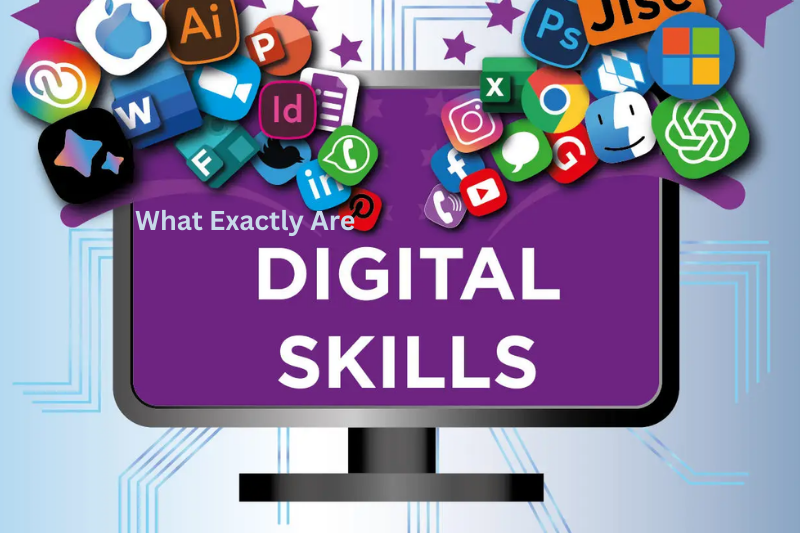
Digital skills are the knowledge and abilities needed to use digital devices, communication applications, and online platforms effectively.
They can be divided into three levels:
- Basic Skills – Sending emails, browsing the internet, and creating documents.
- Intermediate Skills – Using social media for networking, managing spreadsheets, and making presentations.
- Advanced Skills – Coding, digital marketing, graphic design, and data analysis.
As a beginner, you’ll focus on basic and intermediate skills first. Once you’re comfortable, you can explore advanced ones depending on your career goals.
Why Digital Skills for Beginners Are So Important
- Employment – Almost every job requires some digital knowledge, from operating software to attending virtual meetings.
- Daily Life – Online payments, mobile banking, shopping, and food delivery apps simplify everyday tasks.
- Education – Most learning platforms, from online classes to eBooks, require basic digital literacy.
- Global Connection – Staying in touch with family or colleagues abroad is only possible with digital tools.
- Personal Growth – Learning new skills gives you confidence and independence.
Simply put, being digitally skilled is like having a passport to today’s world.
Essential Digital Skills for Beginners
Here are the foundational skills every beginner should start with:
1. Basic Computer Skills
- Turning a computer on and off.
- Navigating the desktop and start menu.
- Installing and uninstalling simple apps.
- Managing files and folders.
2. Internet Browsing and Research
- Using Google or Bing to search effectively.
- Bookmarking important websites.
- Identifying trustworthy vs. fake websites.
3. Email and Online Communication
- Creating a professional email address.
- Attaching files and writing clear subject lines.
- Using tools like Zoom, Google Meet, or Teams for video calls.
4. Social Media Literacy
- Creating and updating profiles on platforms like Facebook, Instagram, or LinkedIn.
- Posting responsibly without oversharing personal information.
- Understanding privacy settings.
5. Online Safety and Cybersecurity
- Creating strong, unique passwords.
- Recognizing phishing emails and scams.
- Installing antivirus software.
6. Digital Office Tools
- Word/Docs – Writing documents.
- Excel/Sheets – Doing simple calculations and organizing data.
- PowerPoint/Slides – Making presentations.
7. Digital Payments and Shopping
- Using mobile wallets like Easypaisa, JazzCash, or PayPal.
- Paying bills or transferring money online.
- Safely shopping on e-commerce platforms like Amazon or Daraz.
You may also like to read these posts:
Basic Computer Skills Course: A Complete Guide for Beginners
Digital Skills Training Online: A Complete Guide to Learning in the Digital Age
How to Improve Digital Skills: A Complete and Detailed Guide
Digital Marketing Skills List: The Ultimate Guide to Succeed Online
How Beginners Can Learn Digital Skills
- Free Online Courses – Google Digital Garage, Coursera, and YouTube tutorials are great starting points.
- Practice Every Day – The more you use digital tools, the more natural they’ll feel.
- Start Small – Focus on one skill at a time. For example, practice sending emails for a week before moving to spreadsheets.
- Learn by Doing – Try using Excel for your household budget or make a PowerPoint about your hobbies.
- Ask for Help – Don’t hesitate to ask friends, colleagues, or even join Facebook learning groups.
Benefits of Learning Digital Skills for Beginners
- Better Job Opportunities – Many companies prefer employees with even basic digital knowledge.
- Increased Confidence – You feel more independent and capable when you can handle tasks yourself.
- Time-Saving – Online services like banking and shopping save hours compared to traditional methods.
- Access to Global Knowledge – You can learn new things, from recipes to professional courses, with just a few clicks.
- Freelance and Remote Work Options – Once you grow, skills like digital marketing, content writing, or graphic design can help you earn money online.
- Stronger Communication – Stay connected with friends, family, and professional contacts worldwide.
Drawbacks of Relying on Digital Skills
While digital skills are extremely useful, they do come with some challenges:
- Screen Addiction – Spending too much time online can harm your health and reduce focus.
- Privacy Risks – Beginners might fall for scams, phishing attacks, or accidentally share sensitive information.
- Constant Learning Curve – Technology changes quickly, so you need to keep upgrading your knowledge.
- Overdependence on Technology – Relying on apps for everything may reduce face-to-face interactions and problem-solving skills.
- Cost of Devices and Internet – Not everyone can afford a good laptop, phone, or reliable internet connection.
The key is balance—use digital tools wisely without letting them take over your life.
Final Thoughts
Learning digital skills for beginners is like opening a new door of opportunities. You don’t need to master everything at once. Start with the basics—emails, internet browsing, and online safety. Then, step into office tools, social media, and digital payments.
The journey may feel overwhelming at first, but with consistent practice, you’ll soon find yourself confident in the digital world. These skills will not only make your daily life easier but also boost your career and open income opportunities online.
So, take the first step today. Remember: even the most advanced tech expert once started as a beginner just like you.
FAQs
1. What are the easiest digital skills for beginners to learn?
The easiest skills to start with include sending emails, browsing the internet, using social media, and creating documents in Word or Google Docs. These are practical, simple, and useful in daily life.
2. How long does it take to learn basic digital skills?
It depends on how much time you practice. Most beginners can learn essential skills like email, browsing, and file management within a few weeks of regular use.
3. Can I learn digital skills for free?
Yes! There are plenty of free resources available online, including YouTube tutorials, Google Digital Garage, Coursera, and Khan Academy. All you need is a device and an internet connection.
4. Do I need a computer to learn digital skills, or is a smartphone enough?
You can start learning many digital skills with just a smartphone, especially communication, social media, and online payments. However, for office tools like Word, Excel, or PowerPoint, having access to a computer or laptop is very helpful.
5. What digital skills are most useful for jobs?
Employers usually look for skills like email communication, Microsoft Office (Word, Excel, PowerPoint), online collaboration tools (Zoom, Google Meet, Slack), and basic internet research. As you grow, advanced skills like digital marketing or graphic design can open even more opportunities.