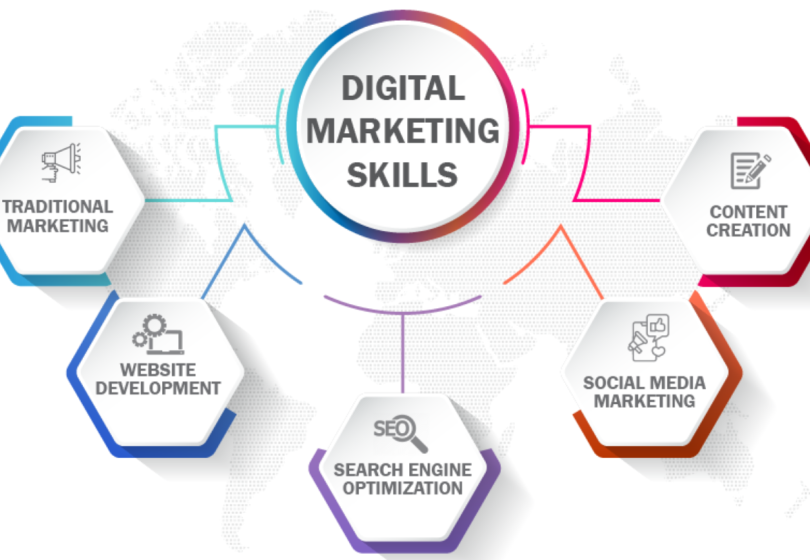

If you’ve ever asked yourself, “What skills do I need to become successful in digital marketing?”, you’re not alone. The world of marketing has shifted dramatically—billboards, flyers, and radio ads still exist, but today, the real battlefield is online. And to win here, you need the right set of tools, which we often call the digital marketing skills list.
But here’s the good news: you don’t need to master everything at once. Think of it like building a skill set step by step. Each skill adds to your value, whether you want to land a great job, work as a freelancer, or even grow your own business.
So let’s break down the complete digital marketing skills list, explain why they matter, and explore the benefits and drawbacks of each.
1. SEO (Search Engine Optimization)
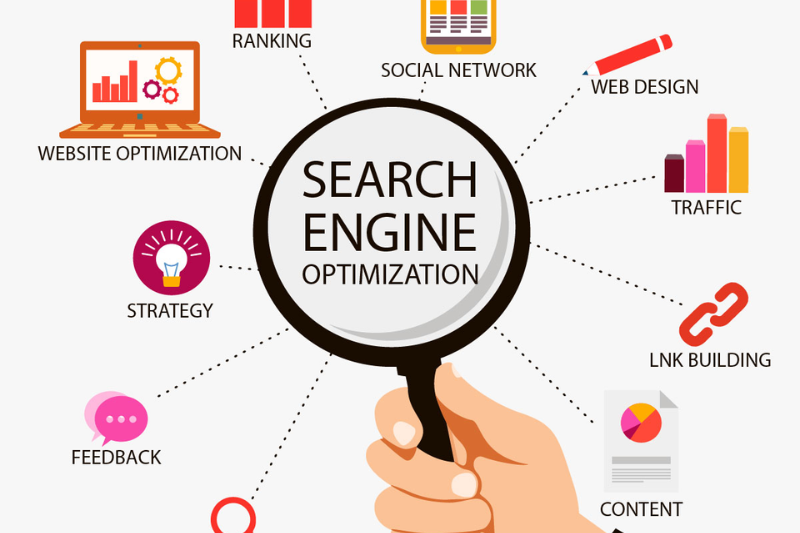
SEO is the backbone of digital marketing. It’s what helps websites rank on Google when people search for something.
- What it includes: Keyword research, on-page SEO (titles, meta descriptions, headers), off-page SEO (backlinks), and technical SEO (site speed, mobile optimization).
- Benefits:
- Drives free, long-term traffic to websites.
- Builds brand trust because people trust Google’s top results.
- Reduces the need to spend heavily on ads.
- Drives free, long-term traffic to websites.
- Drawbacks:
- Results take time (months, sometimes).
- Google updates can suddenly change rankings.
- Requires constant learning and patience.
- Results take time (months, sometimes).
2. Content Marketing
This skill is all about creating valuable, engaging, and shareable content—blogs, videos, infographics, or podcasts—that attract and educate people.
- Benefits:
- Builds authority in your industry.
- Helps businesses connect with their audience on a deeper level.
- Content works long-term (a blog from 2 years ago can still bring traffic).
- Builds authority in your industry.
- Drawbacks:
- Content creation is time-consuming.
- Requires creativity and consistency.
- Results are not always instant.
- Content creation is time-consuming.
3. Social Media Marketing
Social media is the modern town square where everyone hangs out. Marketers need to know how to run campaigns, grow followers, and engage communities across platforms like Instagram, TikTok, LinkedIn, and Facebook.
- Benefits:
- Builds brand awareness fast.
- Direct engagement with customers.
- Viral potential—one post can change everything.
- Builds brand awareness fast.
- Drawbacks:
- Algorithms keep changing, so reach is unpredictable.
- Negative comments or reviews can hurt brand image.
- Requires a lot of time and fresh ideas.
- Algorithms keep changing, so reach is unpredictable.
4. Email Marketing
Despite being one of the oldest online strategies, email marketing still works wonders. With the right approach, emails can drive sales, nurture leads, and retain customers.
- Benefits:
- High return on investment (ROI).
- Allows direct communication with your audience.
- Great for building customer loyalty.
- High return on investment (ROI).
- Drawbacks:
- Many people ignore promotional emails.
- Requires careful list management (avoiding spam issues).
- Needs strong copywriting to be effective.
- Many people ignore promotional emails.
5. PPC & Paid Advertising
This skill involves running ads on Google, YouTube, or social media platforms. It’s all about targeting the right audience with the right message.
- Benefits:
- Instant traffic and results.
- Can be highly targeted (location, age, interests).
- Scales quickly if campaigns are managed well.
- Instant traffic and results.
- Drawbacks:
- Can be very costly without proper management.
- Requires data-driven decision-making.
- Competition in ads is high, especially in popular industries.
- Can be very costly without proper management.
6. Analytics & Data Interpretation
Digital marketing isn’t just creativity—it’s also about numbers. Tools like Google Analytics, Meta Insights, and SEMrush help marketers track what’s working and what’s not.
- Benefits:
- Helps make smarter marketing decisions.
- Saves money by cutting ineffective campaigns.
- Provides deep insights into customer behavior.
- Helps make smarter marketing decisions.
- Drawbacks:
- Can be overwhelming with too many metrics.
- Requires technical understanding.
- Misinterpreting data can lead to wrong decisions.
- Can be overwhelming with too many metrics.
7. Basic Design & Video Editing
A digital marketer doesn’t need to be a professional designer, but knowing tools like Canva, Photoshop, or CapCut can help create engaging visuals and short-form videos.
- Benefits:
- Makes your content stand out.
- Saves money by not always hiring designers.
- Increases social media engagement.
- Makes your content stand out.
- Drawbacks:
- Learning design tools takes time.
- Creativity is required (not everyone enjoys design).
- Professional-level designs still need experts.
- Learning design tools takes time.
8. Copywriting
Copywriting is the art of using words to sell. From catchy headlines to persuasive landing pages, strong copy turns readers into buyers.
- Benefits:
- Boosts conversions across all platforms.
- Essential for ads, emails, and websites.
- Works hand-in-hand with every other digital skill.
- Boosts conversions across all platforms.
- Drawbacks:
- Requires a deep understanding of psychology.
- Can be difficult to master.
- Constant testing is needed to see what works.
- Requires a deep understanding of psychology.
9. Influencer & Affiliate Marketing
Brands now partner with influencers or affiliates to promote products. Knowing how to run campaigns and manage partnerships is a valuable skill.
- Benefits:
- Expands reach to new audiences.
- Builds credibility using trusted influencers.
- Often more cost-effective than traditional ads.
- Expands reach to new audiences.
- Drawbacks:
- Finding the right influencer can be tricky.
- Not all influencers deliver results.
- Can damage reputation if influencers behave poorly.
- Finding the right influencer can be tricky.
10. Marketing Automation & CRM
Automation tools like HubSpot, ActiveCampaign, or Mailchimp help marketers save time by sending automated emails, segmenting audiences, and tracking customers.
- Benefits:
- Saves time and increases efficiency.
- Personalizes customer experience.
- Helps manage large campaigns with ease.
- Saves time and increases efficiency.
- Drawbacks:
- Can be expensive.
- Requires technical setup.
- Over-automation may feel robotic to customers.
- Can be expensive.
You may also like to read these posts:
Digital Skills for Beginners: A Step-by-Step Guide to Thrive in the Modern World
Basic Computer Skills Course: A Complete Guide for Beginners
Digital Skills Training Online: A Complete Guide to Learning in the Digital Age
How to Improve Digital Skills: A Complete and Detailed Guide
Overall Benefits of Building a Digital Marketing Skills List
- High demand: Every company needs digital marketers.
- Freelance opportunities: You can work for clients worldwide.
- Flexibility: Skills can be used in jobs, freelancing, or your own business.
- Good income potential: Specialized skills (like SEO or PPC) pay really well.
Overall Drawbacks to Keep in Mind
- Fast-changing industry: Skills need constant updating.
- High competition: Many people are entering the field.
- Time-consuming: Learning multiple skills takes effort.
Final Thoughts
The truth is, you don’t need to master every single item on this digital marketing skills list in one go. Start with the basics—like SEO, content marketing, or social media—and then build your way up.
Digital marketing is a journey, not a sprint. With consistent learning, practice, and creativity, these skills can open doors to amazing opportunities—whether you dream of working for top brands, freelancing for clients, or building your own online empire.
So, which skill from this list are you most excited to start with?
FAQs
1. What is the most important digital marketing skill?
There isn’t just one “most important” skill, but SEO and content marketing are considered the backbone of digital marketing. Without them, other strategies (like social media or ads) may not be as effective.
2. Which digital marketing skill is best for beginners?
If you’re just starting, go for social media marketing or content writing. They’re easier to learn, give faster results, and help you understand the basics of audience engagement.
3. Do I need to learn all the skills in the digital marketing skills list?
Not at all! You don’t need to master everything. Start with a couple of core skills (like SEO and social media) and then expand gradually as you grow in your career.
4. Are digital marketing skills in demand?
Yes! Digital marketing is one of the most in-demand career fields today. Businesses of all sizes need skilled marketers to grow their online presence.
5. How long does it take to learn digital marketing skills?
It depends on your dedication. You can pick up basics of a skill like social media marketing in a few weeks, but mastering advanced areas like SEO or PPC may take 6 months to a year.